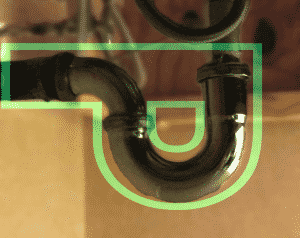
P-traps, what are they?

Have you ever wondered why the drain plumbing under the kitchen and bathroom sinks have that weird bend in it? What is it for?

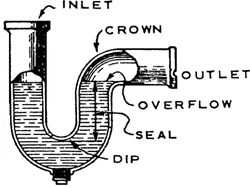
These are called P-traps and do serve a very important role in the health and safety of your home by preventing sewer odors from entering the home by blocking the pipe with water. As well, it helps catch items that may otherwise never be retrievable. Without them we couldn’t stand to be in our home because of the smell. There are two primary materials they are built with in today’s construction practices.

P-trap

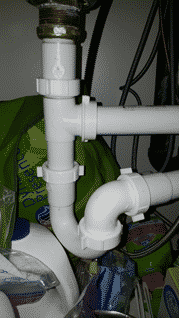
The most common is plastic, which is made of either PVC or ABS. They are easy to install and maintenance is easy to perform. The plastic P-Traps are the least expensive of the two but is not as attractive as the metal traps.

how ptrap works

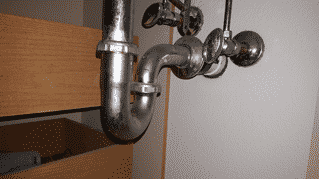
The second most common P-Trap is made of metal, and is typically finished in chrome, but other finished are available. The metal P-Trap is more costly and decorative, but has had issues of rusting from the inside out and causing leaks. They will sometimes need a pipe wrench or channel locks to take apart to clean or service. Take care when using tools on the fittings as this could damage the finish. Be diligent in inspecting and servicing metal P-Traps annually and replace if there are any signs of rust or corrosion.

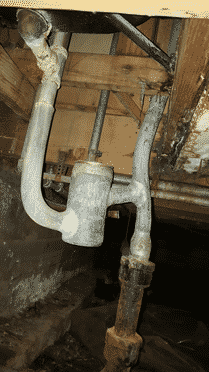
There is another style P-Trap that is found in older homes called a Drum Trap and come in all different types of shapes, sizes, and configurations. A drum trap does the same thing, but instead of just having a dip in the pipe to create a P-trap, a drum trap consists of an enlarged ‘vessel’ that holds a large volume of water. Unlike the P-Trap which can be taken apart the drum Trap has a lid that can be removed for cleaning and can be difficult to access at times. The drum trap, in most cities are no longer allowed because they are not “self-scouring”.  If you take apart any

drum ptrap

properly installed p-trap, you’ll probably find that it’s nice and clean inside; this is because it’s self-scouring.  The water drains through the trap in such a manner as to pull solid materials out of the trap along with the water.

The main problem with drum traps is that they’re not self-scouring.  A drum trap holds so much water that the water and solids coming in to the trap will not be pulled directly through, which can allow for the accumulation of solids in the bottom of the trap.  This makes drum traps more prone to getting clogged.

Another problem with drum traps is that they can be difficult to clean out.  Most drum traps have a removable cover, but drum traps are usually located right below the floor, making the lid extremely difficult to access without cutting out the floor.

The first question that comes to my mind is “what do I do if I have A Lead Drum Trap in my home?” And the answer is simple, leave it! That’s right leave it alone, if the system is working properly, doesn’t leak or isn’t clogged beyond repair it is ok to be in your home. You will want to clean and inspect it annually, but if it’s doing its job, let it be. If you are doing a bathroom or kitchen remodel this will be a great time to consult with a licensed plumber to replace it with a current P-Trap and plumbing drain system.

These systems do require some maintenance throughout the year and we recommend inspecting your plumbing system annually as preventative maintenance.

There are 3 common issues with traps, the first being clogged. Have you turned on the sink and watch the sink fill with water almost instantly? This is the sign of a clogged trap. This is a simple repair and should be done anytime you are experiencing a clog. Follow these simple steps to removing a clog

PVC Ptrap

1. Position a plastic bucket directly under the P-trap.

2. Using pliers, remove the two coupling nuts that attach the trap to the sink tailpiece and to the adjacent wall fitting. If these nuts won’t budge, or if they simply fall apart when you try to move them, it’s time to purchase a replacement trap.

3. Clean the interior of the trap with a straightened wire coat hanger or a large nylon bottle brush.
Make sure that all the parts are completely clean inside and out. A piece of debris lodged between a drain washer and the drainpipe can cause a leak. Use the cleaning as an opportunity to inspect all the washers — they should be soft and supple. If they aren’t soft, you need to replace them.

4. If you discover that the trap is clean and clear (and not the reason for the clog or slow draining), then insert a small retractable drain snake directly into the pipe in the wall.  Work the snake in and out while rotating the handle clockwise.

5. Reassemble the trap. Make sure that each washer is properly seated. Twisting can be a real problem. Don’t over-tighten the connections. At first, the coupling nuts should be no more than hand-tight. If a leak persists, continue to tighten a little at a time until the leak disappears. If increased tightening doesn’t do the trick, chances are, the washers are dirty, twisted, or defective. Try again!

metal ptrap

Once a year we advise our clients and homeowners to inspect and maintain the plumbing system in their home. Check that all faucets are tight and all water lines are not leaking. Inspect the drain lines for clogs and to make sure they are hand tight. Verify that the caulking and grout in showers, bathtubs and back splashes are in good shape and reapply if necessary. Check that the toilet is secured to the floor and the tank is secured to the bowl. This process take less than a hour a year to complete and will save you headaches in the future.

Why it is Important to Find a Non-Alarmist Home Inspector

The sky is falling! The sky is falling! We’re all familiar with this classic fairytale about a chicken who riles up an entire barnyard full of animals with fears of a pending apocalypse after an acorn drops on his head. This type of false alarm makes for a charming children’s story but is no fun at all if it’s your home inspector sounding the warning.

The truth is, it’s not the home inspector’s job to scare you out of buying a home.

The Job of an Inspector

The best home inspector in Massachusetts provide an objective, third-party assessment of a home and its major systems. A good inspector will do the following:

  • Present the facts about the house
  • Explain any problems they find accurately and understandably
  • Provide insights into possible remedies when reasonable
  • Raise red flags about potential safety issues
  • Contribute objective perspective and balanced explanations

With a quality inspection report in hand, buyers have a “user’s manual” for their new home. They’ll know if an outlet needs to be replaced, if the chimney is allowing gas to backflow into the house, or if the roof is leaking. They’ll also know that the outlet and chimney problems can be fixed with inexpensive parts from the hardware store and that the roof needs to be addressed sooner rather than later. That’s information you need and can use.

What buyers don’t need is a telephone-book thick report full of nit-picky details that fills their hearts and minds with dread and contributes to the general unease about the home. No home is perfect; every house has problems. Savvy buyers know this. Smart buyers have also probably seen many of those unimportant problems themselves as they’ve walked through the home.

Critical Info for Buyers

What buyers need to know is this:

  • Are there any safety issues? Is the foundation sinking?
  • Are there expensive problems that might affect the purchase price or cause second thoughts about the deal? A home that needs a new roof, foundation repairs, all new appliances, or a new HVAC system certainly deserves extra consideration.
  • Are there unseen problems? Home inspectors look beneath the surface to uncover invisible problems. If the house has insufficient insulation, water leaking into the crawl space, or electrical wiring that’s not up to code, the inspector will find out.
  • What matters and what doesn’t? Houses are complicated and there’s always something that needs to be done. Good home inspectors educate buyers about what’s important and what isn’t, a perspective that’s often helpful, especially to new home buyers who might think every problem is a sign that the “sky is falling.”
  • What’s it going to cost to own this home in the short and long term? You might not have thought about this, but a quality home inspection report is an invaluable tool for homeowners. Buying a home is expensive, but so is owning one. Home inspectors give buyers a good idea about maintenance needs on the home going forward so they can plan and budget accordingly.
Better Home Inspections Philadelphia PA

Information, Not Fear

At AIS, we’re all about providing our clients with accurate, instructive, non-alarmist home inspections. We believe that quality, Accurate home inspections in Massachusetts lead to wiser, more informed decisions. And, when savvy buyers have the information they need to make good decisions, they sleep better at night. We’re not here to sound the alarm, we’re here to assess, inform, and educate. For peace of mind, schedule your home inspection with AIS today!

WHY MANUFACTURED HOUSING INSPECTIONS ARE SO IMPORTANT?

Learn why a manufactured home inspection is so important

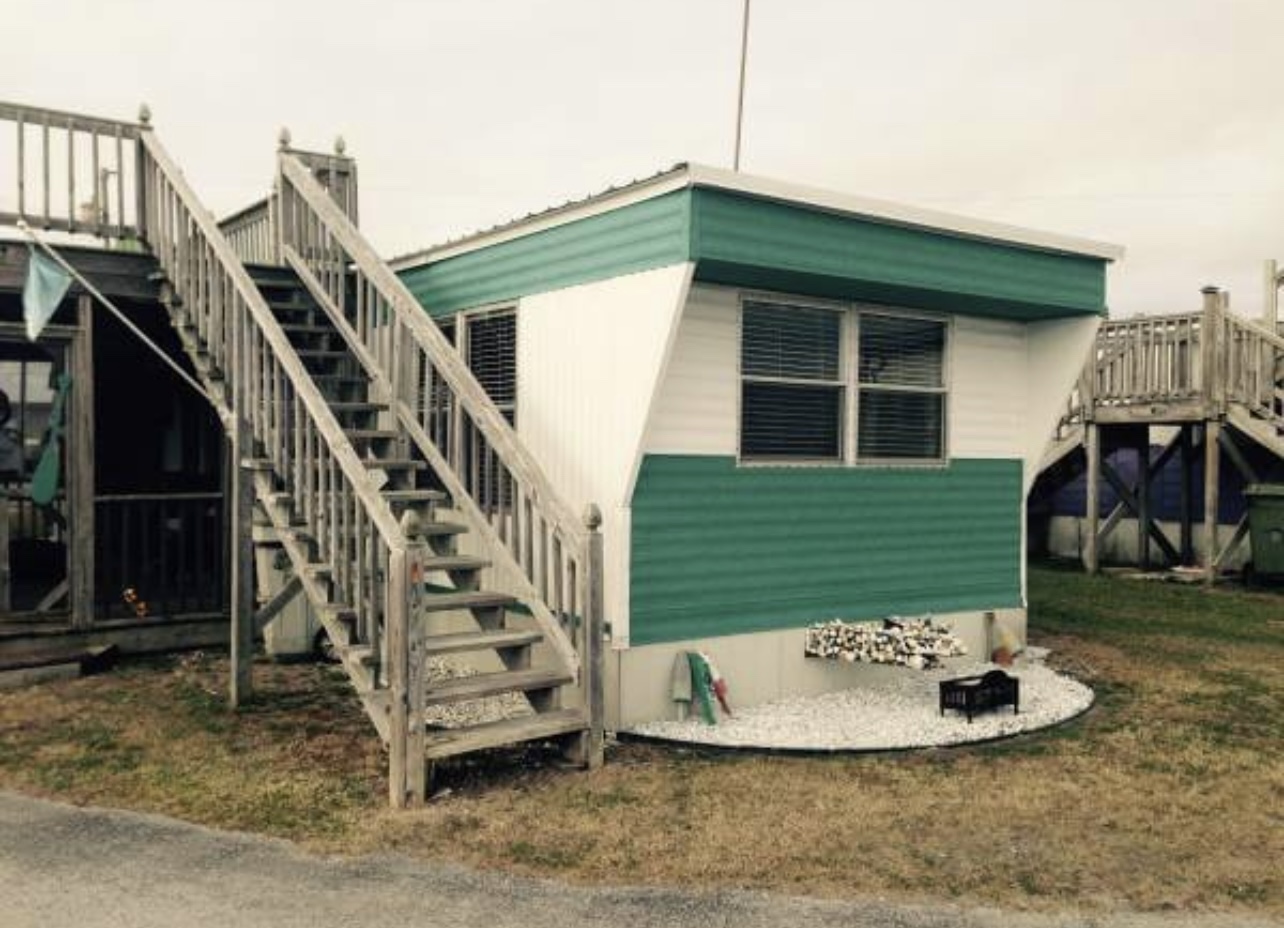
Anyone in the process of buying or selling a manufactured home needs to invest in a manufactured home inspection. Admittedly, home buyers will likely get the most benefit from an inspection, but they can be just as beneficial to a seller.

Buying a mobile home is a tedious process, especially if you are doing it privately, meaning there aren’t any dealers or banks involved.

After you’ve ensured the seller has the correct title and there are no holds or liens on it you’ll want to hire an inspection for the mobile home.  Learn about mobile home titles here. 

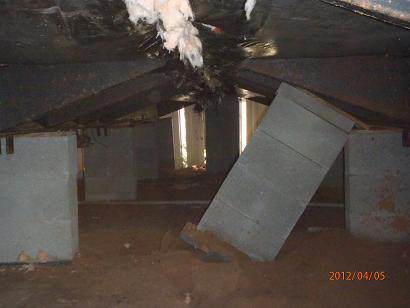
Piers falling under a manufactured home - manufactured home inspection
Roof rafters

In this article, we are going to cover the basics of a manufactured home inspection. Why you need one, what you can expect to learn from an inspection, how to find a knowledgeable manufactured home inspector, and what you can expect to pay for the service.

WHY DO I NEED AN INSPECTION? 

To put it bluntly, you need to get an inspection on every home you intend to buy to protect yourself and your investment.

Manufactured homes are constructed differently than a site-built home. These differences can create unique issues that a typical homeowner wouldn’t know. For example, in some manufactured homes, the floors may hang out beyond the width of the home’s I-beams. If steel outriggers aren’t attached to the I-beams to support the weight of the extended floors, then the walls may separate from the roof. This separation is called crowning, and it is not easy to repair. You would not want to buy a home with this issue.

An inspector would find issues under the home such as this pier failure:Fallen piers are not healthy for a manufactured home. They must be fixed as soon as possible.

HOME INSPECTIONS PROTECT ALL PARTIES.

If you are buying a home, an inspection is an investment that can save you hundreds, if not thousands, of dollars. In addition to saving money, hiring an inspector can save you a lot of time and headache in the future. Inspectors have tools such as moisture readers that can give you information not available with the naked eye. These tools, combined with a licensed inspector’s knowledge, are invaluable to a home buyer.

If you are selling a home, hiring an inspector to look over the home before you put it on the market can help you find and make repairs. Having these repairs done before a buyer enters the equation can help sell a home faster and possibly at a higher price.

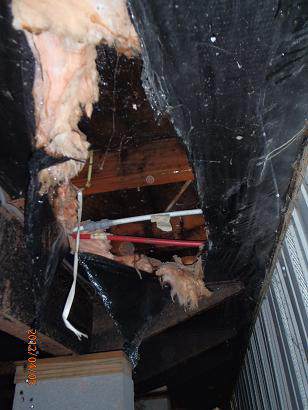
A manufactured home inspection would see that the belly wrap was ripped and the insulation was loose. Belly wraps are vital to a healthy manufactured home.

Manufactured home inspection - belly wrap tear

Inspections also protect banks, real estate agents, and even insurance companies. In many situations, an inspection is needed before a bank or lending institution will provide a loan. Some states require all home sells to have an inspection and an appraisal done on the property before the sale is complete.

In short, an inspection should be considered an absolute necessity for all parties involved in buying or selling a mobile or manufactured home.Roof rafters on an older mobile home.

WHAT EXACTLY IS A MOBILE HOME INSPECTION? 

A manufactured home inspection is a complete inspection of the home, from the roof to the ground. There are specific areas that are thoroughly inspected such as roofs, plumbing, electricity, heating and cooling, and flooring.

A competent, licensed inspector for manufactured homes understands the unique issues of factory-built homes. This knowledge allows them to pinpoint current and future issues that may be unsafe, lower the value of the home, or be too expensive to repair.

In the InterNACHI forum, a manufactured home inspector shared a list of the ten most important things in a manufactured home inspection:

  • Proper marriage line alignment
  • Overextended Jack heads
  • Wood pads with cracks
  • Squeaking floors, warped or bowing floors that could mean water damage
  • Toilets with bad wax rings, loose flanges, or a wobble
  • A moisture barrier, belly wrap is present and healthy with no tears
  • Damage around water heaters and furnaces
  • Pier Spacing
  • Healthy outrigger with no visible sagging
  • Sagging ceiling panels (caused by broken 1″x2″ or 2″x2″ rafters)
Section of a manufactured home inspection report

MANUFACTURED HOME INSPECTION REPORT EXAMPLES

When the inspector is finished you will receive a multi-page report filled with photos and details of any issue they have found during the inspection.  This makes for a more informed buying decision.

A report from an inspector should be thorough. Expect several pages and dozens of photos. Some inspectors will also offer videos of your roof recorded with drones.

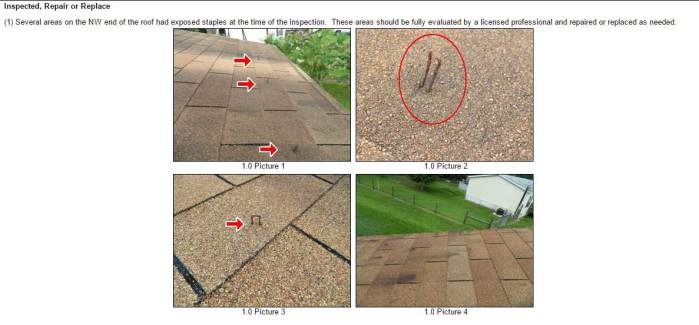
Roof inspection report example - manufactured home inspection

 ASHI

ASHI is the American Society of Home Inspectors, and they claim to be the nation’s leading non-profit professional association for independent home inspectors.

Internations association of certified home inspectors logo

INTERNACHI

InterNACHI is the world’s largest association of professional home and commercial property inspectors. As part of their membership requirements, InterNACHI inspectors have to complete dozens of inspection-related courses and pass hundreds of quizzes and exams.

You want an experienced, licensed, and knowledgeable inspector. While passing an exam is important, actual hands-on experience with manufactured homes is even more important. Also, the inspectors should respect manufactured homes.

HOW MUCH DOES A MANUFACTURED HOME INSPECTION COST? 

Most of the inspection sites I reviewed based their inspection rates on the size of the home. They charge a flat fee for a home up to a certain square footage and then charge extra for larger homes. They may have a service area and fuel surcharge, as well.

Many inspectors charge additional fees if they have to drive outside their service area, have to crawl under the home or have to inspect an older home as those usually take extra time. Barns and other buildings on the property will usually cost extra, too.

SUMMARY

A home inspection can save you thousands of dollars! Manufactured home inspectors look for things such as roof leaks, pier damage, or moisture, and condensation issues that are not easy to spot. The bottom line is a manufactured home inspection is well worth the time and money.

MOLD TESTING

Mold Air Sample Testing

During a general home inspection of a house, we typically rely on what we can visually see and observe. And while we can often see signs of moisture damage or mold, we can’t know what amount of mold may be present in the air when no visual indication of concerns are present. Performing mold air sample testing is a very effective method of determining the mold spore counts present in the air, providing valuable information about potential hidden moisture damage present in a home. We offer this test as one of our many add on tests that can be performed with your inspection.

When to Perform Mold Air Sample Testing

We recommend that anytime you are purchasing a home, you should perform mold air sample testing with the home inspection service, especially if the home has been vacant, has had a water event, or if someone is particularly sensitive to mold.  This test can also be performed on your existing home. A home inspector can visually observe areas of a home and try to identify moisture leaks or moisture damage that may have resulted in mold growth, but at times this can be hidden or not visible.  A mold air sample test can help to identify if elevated levels of mold spores are present in the air, which can be an indication of potential elevated moisture concerns.  Typically mold growth can only occur where water or moisture is present.  Mold spores are everywhere in the air, but do not reach elevated levels that are harmful to humans unless elevated moisture levels are present.  Controlling water/moisture is the key to controlling mold growth.  Construction materials provide the food source for mold, but water is the trigger to mold growth.  And if any hidden moisture or water leaks are present that are not readily visible to a home inspector, then mold air sample testing can be an effective way to test the mold spore counts in the air, and alert the inspector and buyer to the need to investigate further if elevated results come back from the lab.

How is Mold Air Sample Testing Performed?

A home inspector will use a pump and sample collection system that will take a sample of the air present in the home.  There are small cartridges that have a tiny slide within them, and when air is pulled at a steady rate by a pump through the opening in the cartridge, samples of the particles in the air stick to the internal slide.  The inspector will run each sample for a designated amount of time and at a designated air flow rate.  This provides consistency in the sample collection.  One sample is taken outside and acts as a control sample to provide a reference for what levels of mold spores are present in the air at this time.  Then indoor samples are taken in common living areas, or in the area of concern.  Typically we would recommend one sample per floor in a home, when performed with a home inspection.

How are the Results Evaluated?

Once the mold air samples are taken, each cartridge is sealed and the samples are shipped overnight to a lab.  The lab analyzes each cartridge and prepares a report outlining the mold spore types present and the count of mold spore types for each sample.  A written report is prepared showing the breakdown of mold counts per type.  The lab will make a determination on whether the counts present are within a normal or elevated/problem range. If results come back in an elevated or problem state, it means the mold spore counts as compared to the outside reference sample are elevated to a point where exposure could represent a concern to occupants.  Based upon the results, action can be taken to investigate that specific area of the home further to try to determine where a moisture or water concern may be present.

For the health and safety of the future occupants of a home, Swanson Home Inspection recommends that all buyers consider having mold air sample testing performed during the home inspection process. The test results come back fast, allowing peace of mind if levels are normal, or further evaluation and action if levels come back elevated. For more information on our mold and moisture evaluation and mold air sample testing services

Why home owners need Home Maintenance Inspections!

If you’ve owned a home for more than a few weeks, you know that there’s always something that needs to be fixed. It’s a fact of life that while a home is often a valuable and rewarding investment, it can also be time-consuming to make sure that every component in your house is working the way it should.

That’s why it’s a good idea to hire a home inspector—because contrary to what you might think, inspections are useful even after the home-buying process is over.

In this post, we’ll take a look at what a home maintenance inspection is and what differentiates it from a standard home inspection. Then, we’ll go over four reasons why you should consider making a home maintenance inspection a regular part of your home care routine. 

What is a home maintenance inspection?

A home maintenance inspection is like a checkup for your home. It’s done by a professional home inspector, who examines the entire property’s structure, components, and systems to look for anything that might be in need of replacement or repair. 

Your home inspector will conduct a thorough examination of the home, looking at things like:

  • Walls, floors, and ceilings
  • Windows
  • HVAC system
  • Roof and attic
  • Basement and foundation
  • Plumbing and sewage
  • Electrical system
  • Chimney
  • The exterior of the home

This visual inspection typically takes anywhere from two to four hours, or even longer for large properties. It’s standard for the client to be present while the inspector does the walk-through of the home. 

Afterward, the inspector will create a detailed inspection report and send it to the client within a day or two. This report will include all of the inspector’s findings, from minor issues to major problems. As a homeowner, you can use this report to make decisions on what types of repairs need to be completed to keep your home in good condition.

What’s the difference between a maintenance inspection and a standard home inspection?

Usually, when people reference a home inspection, they’re talking about the kind that’s performed before a home changes hands. 

A standard home inspection is most commonly ordered by home buyers in the time period between when their offer on the home is accepted and when the purchase is finalized. This type of inspection helps buyers understand any visible issues with the home, including glaring (and potentially costly) problems that might need to be addressed before the sale is completed.

A seller may also order a pre-listing inspection before listing the property on the market. The seller might use the inspection results as a checklist of items to address or fix before putting the property on the market, in order to get the most money from the sale as possible.

A home maintenance inspection, by contrast, is one that’s ordered by the homeowner as a preventative measure to make sure their home doesn’t have any lurking issues that need to be dealt with immediately. Like its name suggests, this kind of inspection is part of the regular maintenance and upkeep of the home.

But regardless of the reason for the inspection, the process should look the same. In a home maintenance inspection, the only differences may be:

  • The inspector may skip over your appliances. In a usual inspection, the inspector might run the dishwasher or test the washer and dryer if they’re included in the home purchase. But if the home isn’t changing hands, this type of testing usually isn’t necessary, since you’re already familiar with the appliances and know whether they work.
  • The inspector may get a little more invasive. If the inspector spots something suspicious that can only be checked thoroughly by getting behind a wall, they’ll usually note the finding and suggest that the client hire a specialist to do further digging. But with a home maintenance inspection, the homeowner is right there and can give the go-ahead for a more invasive look. 

Why should I get a home maintenance inspection?

A home maintenance inspection is to a house as a medical exam is to the body. You’re checking in on the systems and components of your house to make sure everything is as it should be. 

Like a checkup for your health, you could avoid it and just wait until something goes wrong—but often, an ounce of prevention is worth a pound of cure.

Let’s take a look at a few benefits to including a regular home maintenance inspection in your home’s schedule below.

1. An inspector is a neutral third-party

If you think something in your home is in need of repair, it’s a good idea to schedule a home inspection first. Since in most states, the inspector isn’t legally allowed to conduct repairs on a property where they’ve recently conducted an inspection, the inspector will give you an unbiased list of items that need to be repaired or replaced.  

If the inspector finds an issue (or agrees with your assessment that an item needs to be repaired), they’ll supply a recommended course of action.

2. A maintenance inspection can catch problems early

Often, you don’t realize something is about to go disastrously wrong until it’s too late. Your roof leaks, your outdated pipes burst, or an unchecked termite infestation leads to expensive structural damage.

A regular home maintenance inspection can help you nip many home problems in the bud, which might save you a lot of money down the line. 

And even before you face major repair costs, a home inspection can save you more money than you think. If your electrical wiring is outdated or you have a leaky faucet, for instance, you could be losing hundreds in utility costs every year. A regular inspection helps you catch inefficiencies in your home’s systems that can easily add up.

3. You’ll be more prepared to sell 

You may not be planning to sell your home anytime soon, but it’s still a good idea to know the general condition of your home so that you can keep your house in prime condition for whatever possibility comes your way. 

It’s a fact of life that homes deteriorate over time, especially if left to their own devices. A home maintenance inspection is a crucial part of making sure your home stays in tip-top shape; otherwise, you may find that, when it comes time to sell, the home has fallen into an expensive state of disrepair.

If your home has gone many years without a maintenance inspection and related upkeep, it may even cause you to feel trapped there. If you know your home is in a worse condition than when you bought it, you may not feel like you can move—since you’re likely to lose money on its sale. 

A regular maintenance inspection can help you stay on top of your property’s needs, keeping you proud of your home and confident that you have options.

4. Safety and peace of mind

Aside from the resale considerations, there are potential dangers to leaving your home’s condition unchecked for years. Your furnace, for instance, may develop a clogged vent and begin a dangerous backflow of carbon monoxide into your home. 

Making a habit of scheduling regular maintenance inspections can help ensure that your property is being kept in good shape and a safe condition for yourself and your family.

How often should you get a home maintenance inspection?

All homeowners would do well to get a home inspection regularly. 

According to the International Association of Certified Home Inspectors (InterNACHI), homeowners should have their homes inspected annually. And if that seems a little too often for you, try to at least order a maintenance inspection every 3-5 years.

Especially if your home is older, you’ll want to stay on top of the aging systems and structural components to make sure you know when it’s time to do maintenance or replace anything that’s broken. 

How do you get a home maintenance inspection?

You can order a home maintenance inspection by following the same process as any other type of inspection. Any experienced home inspector in your area should be able to conduct a home maintenance inspection for you. 

Use HomeGauge’s Find a Home Inspector tool to find high-quality home inspectors in your area.

Once you’ve narrowed it down to a few options, don’t forget to check their Google reviews or Better Business Bureau information to see if you can find any relevant information about their past experience. 

Then, call the inspectors to get a quote for their services. For reference, many home inspectors’ prices will range from $300-$600, depending on the age and size of the home and its location. Their prices may fluctuate based on the additional services they offer, such as radon testing, drone inspections, or thermal imaging

When you’re setting up the appointment, let the inspector know that you’re a homeowner who needs a maintenance inspection—and be sure to notify them of any concerns you have about the home. 

Finally, prepare for your home inspection by clearing clutter away from walls and access points, labeling your fuse box, and making plans to be present during the appointment. 

Maintenance inspections are an important part of homeownership

Your home is probably the most valuable asset you will ever own, so it makes sense that you’d want to keep it in the best condition possible. 

A home inspector will be able to give you unbiased advice on what needs to be tuned up, repaired, or replaced. And by getting an inspection on your property every year or two, you’ll likely be able to catch any problems before they turn into a money pit—or worse, a potentially dangerous situation for your family.

Though you might picture it as something that only happens during the home-buying process, a home inspection is an essential part of ongoing homeownership. A maintenance inspection is a great way to make sure everything about your property is in tip-top shape, so that you can enjoy your home for years to come.

How ofter should HVAC be serviced?

Every homeowner knows that there are a variety of projects to complete on their home systems. Having a checklist that is available to you as a homeowner to record when you have your various systems serviced or inspected is a great way to save money and time. One of the many systems that require maintenance is your HVAC system. How often should HVAC be serviced? Depending on where you live, this is recommended once to twice per year.

Let’s take a look below at what that specifically entails. 

What Does It Entail

Having your HVAC system serviced on a yearly basis is highly recommended. Also, depending on where you live, could require that you have your HVAC system serviced twice a year. Once in the Fall and once in the Spring. It is also recommended that your HVAC components be serviced separately. What this means is that your AC unit is serviced in the Spring before the warmer months and the heating unit is serviced in the Fall before the cooler months. Let’s take a look below at what is serviced each visit. 

HVAC cold air unit service: 

  • A full check of the overall equipments functionality.
  • You will have the condenser tested on the unit.
  • All safety controls are working properly.
  • Your temperature differentiation is working properly.
  • A test and re-boost of your refrigerant will be conducted. 
  • Does the HVAC system start up efficiently and properly. 
  • All evaporator coils are checked and cleaned. 
  • The drain and drip pans are inspected to ensure they are working correctly. 

HVAC heating unit (furnace) service:

  • A full heat pump check will be conducted. 
  • The heating mode will be inspected.
  • The defrost cycle will be inspected. 
  • Your backup heating source will be checked. 
  • The burner assemblies, heat exchanger, and ignition will be inspected. 
  • All clearances, vents, combustion air, gas piping and gas pressures are tested for proper functionality.

Scheduling maintenance and service to your heating and air conditioning with an HVAC professional can ensure that your air conditioning unit and heating system are running efficiently.

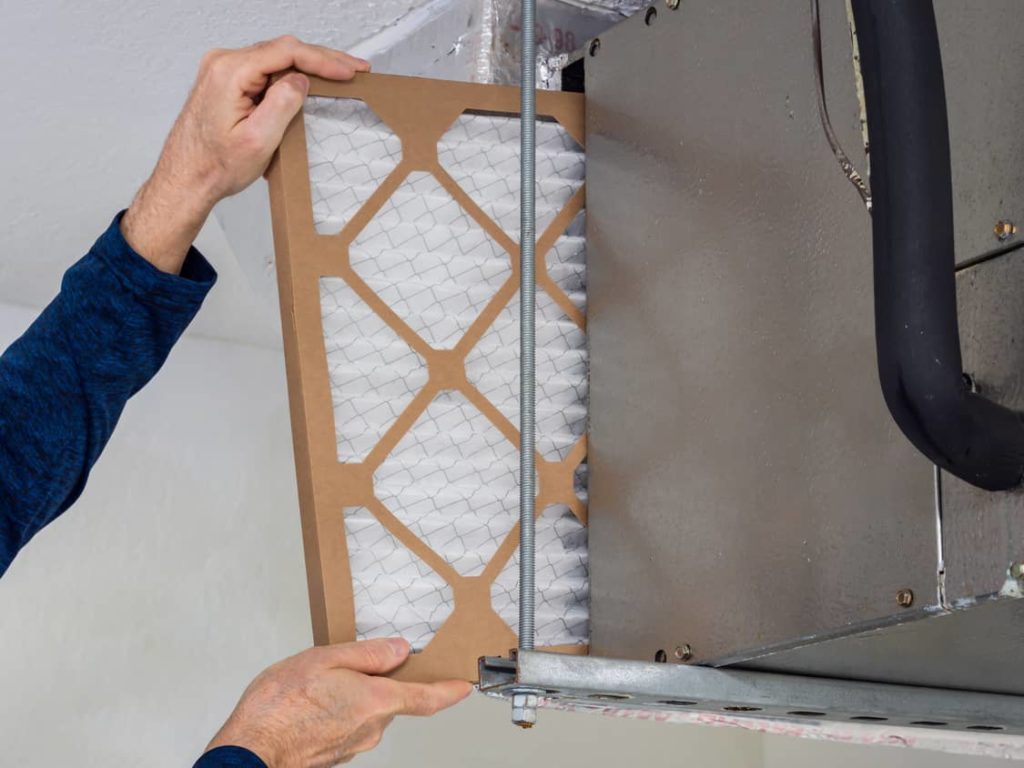
Filter replacement in an HVAC unit.
Filter replacement in an HVAC unit. 

How Much Does It Cost

The cost of an HVAC tune-up can vary based on the company that you contact. However, most costs range from $75 to $250, depending on the length of the service and what is involved. In some cases, a homeowner might have an extended warranty contract that covers this service and those can range from $150 to $550 depending on the company, size of the unit, and the number of units being serviced. 

Other Recommended Maintenance

Now that you have read up on the recommended maintenance of your HVAC system, it is also a great idea to understand how long HVAC Systems last. You wouldn’t want to renew an HVAC system service contract if you already know that it is time to replace the entire unit. Always remember that an HVAC system can last between 10 and 17 years.

Next, if you have a furnace as part of your HVAC system, go ahead and make sure it is inspected in the Fall as recommended above. You will want to understand why your furnace wont turn on. Always understanding how your systems work before calling a local service technician is important. You wouldn’t want to be charged a lot of money for replacement parts, if there was a much cheaper and easier solution.

Lastly, living in the northern states where snow and ice are prevalent can be a real drag. In some cases, your air conditioner or HVAC system can freeze up. Consider reading up on how you can thaw out a frozen AC unit so that you don’t end up with bigger issues after a freeze. 

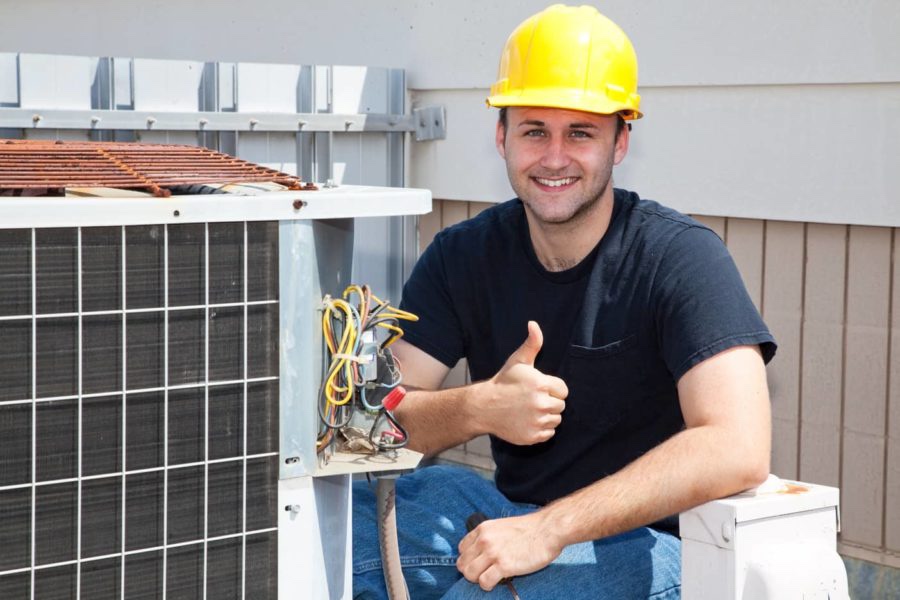
HVAC repair man.
HVAC repair man. 

When Do I Call A Professional

Conducting yearly maintenance on your HVAC system is something that a homeowner can partially complete. Always remember that a professional HVAC service technician likely understands your system better than you do. 

Calling on a professional HVAC service technician can save you time and money. If you don’t know who to call, reach out to your local home inspection team. They can conduct a full inspection of your HVAC system as well as refer a reputable HVAC service technician for any maintenance work that is needed. 

Conclusion

Maintaining your HVAC system every year is very important to your survival during the coldest and hottest months. Make sure that you have your local home inspection team come out and conduct a complete HVAC system and home inspection. Also, remember that you the homeowner can conduct some yearly maintenance of your AC and Furnace systems to ensure that parts aren’t breaking down.

20 things you should know about your home inspection!

Home inspections are a vital part of the home buying and selling process but do you know what home inspectors actually do or if a house can even fail a home inspection? Luckily, we’ve put together the top twenty most frequently asked questions about home inspections and asked the professionals to answer them. Here is everything you need to know about your home inspection.

1) What is a home inspection?

Without a comprehensive home inspection, you could end up paying thousands of dollars in repairs or possibly buy a house that is unsafe.

Here’s an overview of each element of a home that must be inspected.

Foundation: the inspector will take a look at the foundation to examine it for cracking and shifting, and to ensure that water is draining away properly from the foundation and basement

Lot: the lot will be examined for proper grading and drainage and the quality of walkways and the driveway will also be assessed.

Roof: the roof will be examined for faulty shingles, damaged flashing, signs of water damage, and overall integrity

Exterior: the exterior siding, windows, doors will be examined to assess their overall wear and condition

Attic: the attic will be inspected to ensure that it is properly ventilated and insulated

Interior: the interior of the home will be examined, including wall outlets, lighting fixtures, walls, doors, and all other such surfaces and areas

Basement: the basement is inspected to ensure that it is free from leaks and water damage. Issues like mold and water leaks are also quite common in basements

Electrical: your home inspector will make sure that all electrical outlets, switches, and lighting fixtures work

Plumbing: the functionality of the plumbing systems will be checked, including water pressure, hot and cold water, as well as functionality of all sinks, bathtubs, showers, and other systems

Appliances: major appliances will be tested and verified for proper functionality

HVAC: the furnace will be examined for integrity, and problems like cracks or wear and tear. Air ducts and air conditioning systems will also be examined and tested

2) Why do I need a home inspection?

If you are planning to buy or sell a home, it is recommended that you hire a certified home inspector to conduct the inspection. This is one way to learn the condition of the home and potentially gain more negotiating power during the sale/purchase of the home.

When touring a home, pay attention to anything that seems strange as it might be a red flag. Take note of any visible damage as well, as it might not be a problem now but it could turn into an expensive fix later.

These issues don’t have to be a deal breaker. They can, however, help you get a lower price for the home if you’re the buyer. Most home buyers agree that it’s worth spending a few hundred dollars on a home inspection to save a few thousand down the road

3) How much is a home inspection?

Based on more than 80,000 home inspections conducted during the last year, our data shows that the average home inspection costs $558.

Variables that will affect the cost include:

  • Location/region/travel time
  • Size of the home
  • Age of the home
  • How hot or cold the local real estate market is
  • How many inspectors are in the area and how busy they are
  • Additional services such as mold inspections or radon testing

The US Department of Housing and Urban Development (HUD) gives a typical price range of $300-$500, and cautions that “cost does not necessarily reflect quality.”

We recommend that you do your research. Take a look at the website and the reviews of the inspector that your agent recommended. Get a quote from them and a couple of others, and don’t shop on the cost or price alone.

Regardless, decent home inspectors are well worth the investment. Whether it gives you leverage to ask the seller to cover more fixes or sets your expectations for what to budget for, getting a home inspection is one of the smartest investments you can make in your new home.

4) Why can’t I do a home inspection myself?

When you’re purchasing a home there are many things to consider. From negotiating the price to understanding the resale value, the tasks can become overwhelming.

People often turn to their mechanics when purchasing a used car so why wouldn’t you turn to a home inspector when shelling out hundreds of thousands more for a house?

A professional home inspection can turn up issues that otherwise would have went unseen, such as the wrong gauge wire being used in the breaker box inlet, or an incorrectly hung cabinet that could become a hazard.

A home inspector’s job isn’t to spread doom and gloom, they’re your advocate. While we’re sure your realtor has done a great job showing you the house’s features and educating you on the school district, they typically aren’t able to teach you about the house structure or utilities.

Your home inspector will be able to shine a light on vital information that you likely wouldn’t have caught until after you had purchased the house.

5) What does a home inspection include?

As a home is the largest purchase most folks will ever make, a home inspection is always recommended before buying a home. While some little quirks are nothing to worry about, there may be more serious issues that only a professional home inspector can assess.

Without a comprehensive home inspection, you could end up paying thousands of dollars in repairs or buying a house that is unsafe due to issues like water damage, foundation issues, or even asbestos or lead. A certified home inspection should cover the foundation, lot, roof, exterior, attic, interior, basement, electrical, plumbing, appliances, and the heating/cooling system. The primary purpose of these examinations is to identify structural and major system flaws, especially anything safety related.

6) Can a house fail a home inspection?

Contrary to what many people believe, there is no grading or pass/fail system for a home inspection. The home inspector simply evaluates the condition and quality of the home objectively, and then informs both the buyer and seller of their findings.

However, if a glaring issue is found, the seller may be held responsible to fix it before the home can be legally sold. For instance, if asbestos or mold is found in the home or if there is a code violation or other serious safety issue, the seller would have to remedy the situation before they could sell their home.

Additionally, buyers may be allowed to invoke their home inspection contingency and walk away from the transaction if a major issue is found.

Curious what the most common culprits are in a home inspection? Here’s a quick list.

  • Roof and gutter issues (leaks, damaged/clogged gutters, etc.)
  • Faulty wiring/electrical problems
  • Poor grading or drainage around the home
  • Dampness or mold/mildew in basements
  • Cosmetic wear and tear (peeling wallpaper, dirty/damaged carpets, cracked driveways/walkways, etc)
  • Plumbing issues such as leaks, clogged drains, poor flow
  • Inadequate ventilation or insulation
  • HVAC problems

Whether you’re a buyer or a seller, most home inspection findings are not deal breakers and will simply require you to negotiate a proper rate for the home based on what the inspector finds.

7) When do I call a home inspector?

It is recommended to get a home inspection before you make an offer on a home. At the very least you want to get the inspection completed before you close on a home. This means you still have a chance to pull out of buying the home if the inspection turns up massive problems that you are not willing or cannot afford to fix.

Having a home inspection done before making an offer is the best time to do it. However, even if you make an offer, be sure to have the home inspection done before the closing date or you will be responsible for any problems that may exist with the home.

8) Do I have to be there when the home inspection is happening?

If you’re selling your home and having a pre-listing inspection, it’s a good idea to stick around for the inspection to give you some insight on what you should fix before listing your home. However, if the buyer hired the inspector, there’s no reason for you to be present.

If you’re buying a home, it’s not required that you’re present for the home inspection but it’s a good idea to be there anyway. Attending the home inspection on a property you’re considering buying gives you a great opportunity to get a better understanding of the condition of the home, and any potential issues that may be present. You may be thinking that you’ll just be able to see these in the report, which is true, however, walking through the home with the inspector will make these items easier to understand because they can explain it to you during the process.

Furthermore, being present for the home inspection gives you the opportunity to ask the inspector questions about the home. It’s a good idea to ask about the parts of a home that are most expensive to repair/replace, such as:

  • Roof: replacing a roof can cost thousands
  • Insulation: insulation has a huge effect on power bills
  • Electrical system: rewiring a home can be an expensive task
  • Plumbing: plumbing problems can be very costly to fix
  • HVAC System: these systems usually must be replaced every 10-15 years
  • Structure: if there is any kind of structural damage at all, you shouldn’t buy the home
  • Grading/Drainage: improper grading and drainage can cause foundation damage

9) What if the home inspection report reveals problems?

If you find serious issues, you can back out of the sale due to a home inspection contingency clause or you can ask the seller to fix the issues before moving forward with the purchase of the home.

The seller is not required to make any repairs, except those which address structural defects, serious safety issues, or building code violations. Examples include:

  • Issues that violate federal or state code
  • Structural or mechanical problems
  • Defects that cause safety issues
  • Mold
  • High radon levels
  • Infestation

Cosmetic defects do not have to be repaired before the seller can sell their house, as they are not a hazard. You can ask them to make these repairs but they can refuse.

Typically the seller will offer you a repair credit and knock the price of the home down, based on the expected cost of the repairs. This is usually the best option when negotiating because some home repairs, like fixing a roof, can take weeks and become very inconvenient for both the buyer and the seller.

10) How long does an inspection usually take?

While there are no set standards when it comes to the length of time it takes to inspect a home, the process usually takes about two to three hours. For larger homes or homes with additional features, this process will take longer, while for small homes and condos an inspection may only take an hour or two.

Here are some additional factors that impact the amount of time it takes to conduct a home inspection:

  • Size of the home
  • Age of the property
  • Total systems to be inspected (HVAC, electrical, water heaters, pools, multiple kitchens, etc.)
  • Accessibility to areas that need to be inspected
  • Weather conditions
  • State requirements
  • Time spent answering clients’ questions during the inspection
  • One or more inspectors on site
  • Additional services (radon test, mold test, water test, etc)

A home inspection isn’t something you want to rush through. This is an important step in the home buying process and affirms the value of your investment.

11) What’s included in the home inspection report?

A home inspection report is a valuable tool that can give you an array of information on your new home, expose potential problems, and address hazards that aren’t easily seen by an untrained eye. So, what’s included?

The home inspector will visually inspect the roof for damage, including shingles, gutters, downspouts, skylights, chimneys, ridge caps and evaluate for any potential roof penetrations. You’ll also get an overall grade on the general condition of the roof.

To ensure your home is breathing well and is maintaining a good level of efficiency, the home inspector will evaluate the condition and operation of the insulation and ventilation in crawl spaces, attics, and foundation areas as well as any exhaust systems.

A full walk around the exterior of the property and an up-close inspection of the following:

  • Siding
  • Windows
  • Exterior doors and locks
  • Flashing and trim
  • Walkways
  • Driveways
  • Stairs
  • Patios
  • Decks
  • Drainage systems
  • Basement and foundation

The home inspector will go over the HVAC systems with a fine-toothed comb, checking for leaks, proper operation, thermostat locations, and evidence of proper maintenance.

Busted pipes and leaky valves can create thousands of dollars in repairs. Your home inspector will ensure the proper state of the home’s plumbing, which includes checking for leaks, venting systems, hot water heater operation, etc.

Lastly, home inspectors will spend a large portion of their time inspecting necessary but potentially dangerous parts of your home.

12) How do I know if a home inspector is qualified?

Here are some things to consider while searching for a qualified home inspector:

Credentials
Most home inspectors are licensed by the state in which they inspect. If an inspector is state-regulated, see if there are any reports of complaints against the inspector.
You should also check to see what other credentials the inspector has, such as:

  • The International Association Of Certified Home Inspectors (InterNACHI)
  • The American Association Of Home Inspectors (ASHI)
  • The National Academy of Building Inspection Engineers (NABIE)
  • The All American Association of Home Inspectors (AAAHI)
  • The North American Association of Home Inspectors (NAAHI)

Reviews
In some states, there are no requirements for home inspector licensing or certification. If you’re looking for a home inspector in one of those states, it’s a good idea to check their reviews. Yelp and Google are great resources, as opposed to the inspector’s website where they can remove negative reviews.

Find Out What They Inspect
Home inspections should be thorough, so you’ll need to find an inspector who will leave no stone unturned. If an inspector is able to inspect everything from the plumbing system and foundation, to the attic and electrical system, they will be your best bet. You should also ask for a sample report so you know what you’ll be getting.

13) Does the inspector need to be specialized in residential structures?

General home inspectors specialize in residential structures, whereas some obtain additional training and certifications to inspect commercial properties as well. While inspectors tend to specialize in one or the other, some do both.

You don’t necessarily need to hire a property inspector that specializes in residential inspections. Just because an inspector specializes in one particular area doesn’t mean they are better than their competition who might offer a variety of other services.

Do a quick online search to find a list of home inspectors in your area and then dig deeper to find one you trust based on their reviews and credentials.

Call a few inspectors to get more information before making your decision. Schedule a phone interview to ask any questions you may have, such as:

  • How much will my inspection cost?
  • When can you examine my home?
  • How long have you been working in the industry?
  • Do you have insurance coverage?
  • What happens if you miss something?
  • How long after the inspection will I get the inspection report?

Ask for a copy of their standard home inspection checklist or a sample inspection report. This will give you a better idea of what parts of the home will be inspected if you hire that inspector— and what’s not included. For example, some home inspections won’t include things like pools, chimney, irrigation systems, sewer scope, asbestos, lead, radon, mold, or termite inspections so you may need to hire other professionals or pay additional fees to have these systems checked.

14) What is the difference between a home inspector and an appraiser?

When you’re getting ready to buy or sell a home, having a home inspection and appraisal is part of the process. Because it’s such a huge investment, your home needs to be evaluated. Some people think that appraisals and inspections are the same thing but they are, in fact, very different.

An appraisal is a concept of pricing a home based on specific factors, such as:

  • Location of the home
  • Proximity to desirable schools and other public facilities
  • Size of the lot
  • Size and condition of the home itself
  • Recent sales prices of comparable properties

The appraiser’s primary goal is to protect the lender against owning overpriced property. That’s why an appraisal is required before you can get a mortgage on your home. Appraisers do not conduct in-depth inspections of the home but they may take note of visible signs of neglect. This includes cracked walls, chipped paint, broken windows, damaged flooring, etc.

An inspection is a much more thorough overview of your home. Whereas an appraisal is required in order to get a mortgage, an inspection is not mandatory but it’s still a good idea to get one. A home inspector examines every aspect of the home, looking for issues that could negatively affect the buyer’s investment. While the appraiser is obligated to protect the lender, the home inspector is most often there to protect the buyer from making a poor purchase.

15) What is the process of a home inspector?

Home inspections are an important part of buying a home. Without a comprehensive home inspection, you could end up paying thousands of dollars in repairs or buying a house that is unsafe due to water damage or foundation issues.

During the inspection, buyers are encouraged to tag along with the inspector and ask questions about the home. Upon completion, the inspector usually gives the client a verbal overview of their findings. Most home inspectors provide a comprehensive inspection report in a web-based or PDF format within a day or two of the inspection. Home inspectors are usually happy to answer any questions you have about the report.

16) Do I need a home inspection for a new construction?

Your newly built home is likely to have all of the latest energy-saving features and comforts that you could ever want. But it’s always a good idea to get a home inspection, even on a newly constructed home.

There may be undisclosed issues or shoddy workmanship. Just because a home is brand-new doesn’t necessarily mean that it’s been built with the highest workmanship standards in mind. The plumbing could have serious issues, the roof may be installed incorrectly, there may be issues with the chimney, and so forth.

Just like a regular home inspection, you won’t know about these problems unless the home is inspected. Even a single careless contractor or a tiny mistake made when building the home can cause serious damage. It’s possible the home may only be up to minimum standards.

Building inspectors only have to sign off on the construction of a new home and make sure that it’s up to code. These inspectors don’t work for you, they work for the county. They are only there to determine if the house doesn’t violate any building codes. So if the house just barely meets standards, they’ll likely sign off on it.

For a truly deep look at your home’s systems, you need to hire a home inspector. If you don’t, you’re taking an unnecessary risk.

17) Can a home be inspected if it’s covered in snow?

Snow can pose a challenge for home inspectors, as a large amount of snow limits what can be inspected properly. Those areas include the AC unit, roof, and checking for proper drainage.

All other areas of the home can still be properly inspected during the winter, however, and it may even bring more issues to light that may have been missed were it to be inspected in the warmer months. Extreme weather conditions cause damage and stress to a home that is only visible to a trained professional. If that damage goes unnoticed it can quickly snowball into an emergency situation when the season changes.

Homes with pipes that have frozen and cracked underneath the house cause slow leaks and water intrusion. During the winter months, those failures aren’t always recognized due to freezing temperatures. Pipes and sprinkler systems that may not have been properly winterized could be an expensive surprise in the spring.

While you can’t have some systems accurately tested in the winter, you can account for it in your home purchase contract. As a buyer, you can request a seller “reserve for repairs of uninspected areas” that can be negotiated and agreed upon.

18) Do home inspectors inspect pools, fences, or other outside structures?

Typically, basic home inspections don’t include comprehensive overviews of areas like pools, fences, and outside structures. When buying a house with a pool or other unique feature, it’s vital that each part of the purchase receive the same attention. That means you need to call a professional who knows these features and their potential pitfalls. Your home inspector may be able to provide inspection services for these areas at an additional fee or refer you to someone who can.

According to ASHI‘s Standards of Practice, section 4.2, E, “the inspector is not required to inspect out-buildings other than garages and carports.” Some home inspectors offer outbuilding inspections as an add-on service and some include it in the home inspection even though it’s not required. That’s entirely up to the inspector and local regulations. If local regulations require an inspection of every building on the property, then the inspector needs to follow those rules and include in the home inspection.

19) Do home inspectors tell me if I should buy the house?

While a home inspector cannot necessarily tell you whether or not to buy a house, they will give you an unbiased opinion of the current condition of the property and let you make your own decision. A home inspector will be honest and tell you if an expensive repair is needed but because everyone’s situation is different, that may not necessarily be a deal breaker for you. Some buyers might be looking for a good deal on a fixer-upper.

Some common home inspection deal breakers are:

  • Foundation issues: Issues with the home’s foundation are one of the costliest repairs, running tens of thousands of dollars – maybe even more for large homes with major problems
  • Outdated wiring: Old wiring can pose serious safety issues and fire hazards
  • Termite infestation: Although you can get rid of termites and then protect against them returning, you need to consider the structural damage they’ve already done to the home
  • Mold: Most molds aren’t toxic and can be easily removed with some special spray, however, other molds are very serious, potentially deadly health hazards


20) I’m selling my home, should I get a home inspection before putting it on the market?

A seller’s home inspection is less common than a buyer’s home inspection but home sellers are realizing more and more that there are benefits to having their homes inspected before they even list their homes to sell.

The biggest benefit of a seller’s home inspection is to know all the potential issues before they are brought up in the buyer’s inspection report. This allows the seller to make sure any repairs get done ahead of time and most likely at a better price than the buyer would ask for as a concession during negotiations.

Home sellers can also be more realistic in their asking price, depending on any problems you want to leave “as-is.” Sellers can also include the inspection report with the disclosure statement, reducing their liability for any new findings.

Getting a home inspection prior to selling a house can sometimes even find safety hazards before agents and visitors tour the home, as these hazards could turn into a very expensive liability. The last thing a seller wants is for someone to fall down a flight of steps and get injured due to the lack of a safety railing that they didn’t even know they needed.

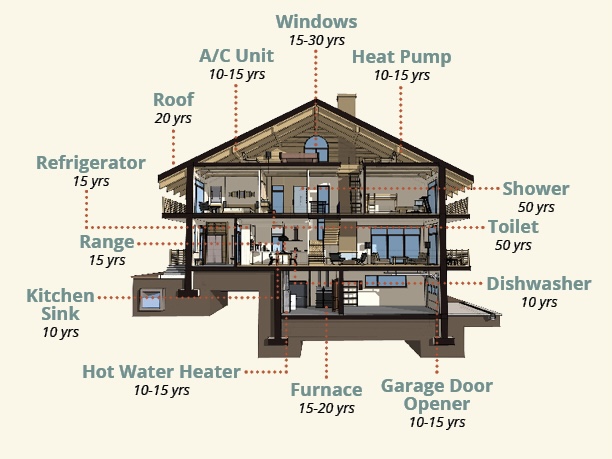
How long will it last?

The Life Expectancy of Your Home’s Components

Home buying instigates a series of questions that you never had to consider before and maybe conversations that you never thought to have. For instance, how long will this toilet last anyway? In your early years and renting days, these questions were likely never something you had to consider, but now that you have stepped into the homeownership space, you’re now cruising home improvement stores like you used to cruise the mall. 

We are here to help, and in this article, we will explore just how long specific items in your home will last and when you can expect (or prepare) to replace them. Yes, we are going to tackle the toilets too. Let’s jump into it. 

Your Roof

The basic estimation around a roof’s life expectancy is about 20 years, but that is a pretty rough guestimate and can be impacted by other elements. The type of roof you have, the roofing materials and the installation of that roof are what makes or breaks that 20-year estimate. Learn as much as you can about your roof and ask a qualified inspector to explain the current condition of it, so you can plan on when it might need replacing. 

Your AC Unit

The consensus is that an AC unit will last about 10-15 years and really can depend on the type of system you have. If your AC unit spends a lot of time flipping on and off placing wear and tear on the compressor, chances are your unit will be on the shorter end of the life cycle. Regular maintenance and repairs can prolong the unit’s longevity. 

Your Heat Pump

The main factor that contributes to an extended heat pump lifespan can be summed up in one word. Maintenance. This factor alone can turn what might last 10-15 years by merely keeping the coils free of debris or ice and cleaning the condenser unit regularly. 

Your Hot Water Heater

Most hot water heaters last between 10 and 15 years. The discrepancy is based on how well the unit is cared for and the content of your water. Draining the unit for sediment and having someone look at how well it’s functioning every couple years (yes, even when it’s working correctly) will go a long way in getting a long lifespan from the unit. 

Your Furnace

Your home’s furnace is a workhorse and is designed to stand the test of time. Most furnaces rate to have a 15-20 year life expectancy. As with many components we list here, maintenance is a key factor in ensuring your furnace will function correctly and for potential decades. 

Your Range

If you have an electric range you can expect it to last about 15 years. For those who have a gas stove, you will see a lifespan closer to 15 years. The determining factor tends to be the type of range you purchase from the onset, which means you should purchase the best range your budget will allow. 

Your Refrigerator

The fridge is a used, and sometimes abused, appliance that can take a lot over the years. In fact, the basic lifespan of a refrigerator is roughly 15 years. Simply pay attention to how it is functioning and replace things like filters if your style fridge requires that sort of care. Planning ahead and taking note of when sales happen during the year from your favorite brands might be a good replacement strategy.  

Your Dishwasher

The average dishwasher will get you close to a decade of use before needing to replace it, on average. Get as much use as possible from it, by regularly taking the filters and strainers apart to clear particles and mineral build up. The hoses and water delivery pieces can often have soap and detergent build up as well. 

Your Sinks

This is one home element that tends to stand the test of time. Roughly 25-30 years actually. Chances are your sink will be replaced for aesthetic reasons before failure reasons. To keep your sink looking great over the years, clean it according to factory recommendations or, learn more about the material it’s made of and follow those care suggestions. 

Your Shower

This element of your home is likely composed of a few different materials if it’s a custom build. If your shower is made of tile and grout, you will need to seal the tile every few years. Tile and grout are not waterproof contrary to what you might think given the environment they are used in. If you have a solid surface surround, made of plastic or PVC materials, your shower could last 50 years. To get the most out of your shower, care for it and deep clean it regularly. 

Your Toilets

If your toilets are older than 1994, they actually are supposed to be replaced for more water efficient options. This, despite toilets can last four or five decades. Older toilets are not as ergonomic as new varieties, so as long as your toilets are working fine and newer than 1994, they should stand the test of time. The only exception would be if the wax ring wore out under it. Also, “never” use things like clog chemicals in your toilet, they can sit in the base and melt that wax ring and leave you with a gooey mess. 

Your Windows

This will be somewhat dependent on what kind of windows you have in your home, but in general, 15 to 30 years tends to be the consensus in the industry. You can prolong that lifespan by regularly looking at the casings and checking for things like rot or broken seals. 

Your Doors

The life expectancy of your doors will depend on the materials they are made of. Solid wood doors can last 30+ years, but if they have inserts like windows, that can take a few years off of the total lifespan. The casings, seals, hardware, and paint are more likely to wear than the actual door. Tend to those issues and make repairs as needed to add years to your interior and exterior doors.  

Garage Door Opener

This can vary, but the general agreement is that a garage door opener will last about 10-15 years. Be mindful of how the buttons are working and change out batteries once a year to keep it functioning as efficiently as possible. Order back up options as well so you don’t get stuck outside at some point. 

The bottom line is, getting your home elements on a schedule should increase the longevity of most household components. Regular maintenance is the easiest way to ensure these items have a long shelf life. If you’re looking at buying a home, ask when these items were last replaced.

Whats not included in a home inspection?

For most people, a home is one of the largest purchases they will ever make in their lifetime. When choosing a place to live and invest in, prospective homebuyers must get the place inspected before putting in an offer. An otherwise “perfect” dream home could be hiding something potentially dangerous that is expensive to fix.

Home inspection reports typically cover the home’s major systems, such as the heating and cooling system, electrical system, and condition of the roof and foundation. What’s covered in the report will vary from one state to the next. For hopeful home buyers, it’s important to know what’s not included in the report, too. That way, your biggest purchase ever won’t come with a nasty and expensive repair surprise after closing. 

What won’t a home inspector look for?

For a lot of homeowners, the home inspection ritual is one of the most stressful parts of the home buying process, and it’s often misunderstood. A home inspection report won’t tell you EVERYTHING that’s wrong (or right) with the house. In general, a home inspection report will give you an overall idea of the home’s relative condition for certain systems. A lot of buyers think that the home inspection is operated under a pass or fail grading system, but that’s not true. A home inspector won’t tell you whether or not to buy the home, either. 

Every house and every buyer are unique, and everyone has different resources and repair capabilities for a home. A leaking roof could be a  deal-breaker for one buyer, while the next may have the resources to fix the roof as soon as they take possession of the property. A home inspection report goes over the general condition of the house, from the roof to the foundation, at a very specific point in time. A report can give a rough estimate on the rest of a system or appliances lifespan. But it’s not able to tell a homebuyer if a plumbing issue will occur. Or if a family of squirrels will make your new attic their home shortly after you move in. 

Below are the areas that aren’t typically covered in your standard home inspection report. For prospective buyers, it’s a good idea to get a certified specialist into the home if they are concerned that the structure may have these issues:

  • Pests
  • Asbestos
  • Radon
  • Lead paint
  • Toxic mold
  • Problems with swimming pools

Your standard home inspection report goes over visible things. Things like asbestos, lead paint, and radon gas aren’t something that an inspector can see. Also in some older homes, attics have been sealed shut. It’s not possible for a home inspector to access those areas, either.

Buying a house is one of the most significant lifetime purchases someone can make. A home inspection can help protect that investment and keep new homeowners from purchasing a property that has far too many problems than they are capable of handling. But as with any purchase in life, caveat emptor.

How to counter offer after a home inspection!

The contract is signed for the home you found after weeks of searching and now starts the transaction towards making the home yours. The next advisable, but not required step, is the home inspection. More than 90% of buyers get a home inspection because a home is a huge investment. The last thing a buyer wants is to buy a “lemon.” We only know what is wrong with a home by sight so a home inspection looks at it more in-depth.  If the inspector finds things wrong with the home, can you counter offer after a home inspection?  Yes! In most cases. Let’s take a look.

What is a home inspection

What is a Home Inspection?

A home inspection is an examination of a home that is more in-depth than what is seen with the naked eye.  This usually happens within a few days of the buyer and seller entering into a contract.  It can be difficult to choose a home inspector so researching an experienced, certified inspector with positive reviews is important to make sure you find a good one.

InterNachi recommends certain areas to be inspected. Those areas are exterior, HVAC, plumbing, roof, attic, insulation, electrical, fireplace, attic, ventilation, doors, basement, foundation, and interior.

What is a Counter Offer?

After a home inspection, a buyer may “counter offer.” This is a process in which the buyer asks the seller in writing to re-open negotiations and to repair major areas on the inspection report. When purchasing a home, a buyer should be able to make the purchase and not have major issues. The buyer has the right to ask for the issues to be taken care of and the seller has the right to say no.

Why counter offer after a home inspection

Why Counter Offer After a Home Inspection?

In a perfect world, an experienced and certified home inspector would find nothing wrong with the home and give the home a clean bill of health.  Unfortunately, that doesn’t happen very often.  Minor repairs like a new faucet in the bathroom or fixing a cracked tile may come up in the report.  The buyer can make minor fixes like these at a later date.  However, major issues such as electrical or HVAC issues would be a reason to counter offer after a home inspection. Even though there are no “mandatory” fixes, a seller should want to fix these issues as they can be harmful. 

What Are the Options for Buyer and Seller?

Buyer

Every buyer should have an experienced realtor who is part of The National Association of Realtors. The realtor will help the buyer decide which areas are important on the inspection report to have repaired or replaced and help with negotiations.  Calling on a professional to come out and give an estimate for those repairs will be helpful in the written counter offer so both parties know what the expense for the repair or replacement will be.

Seller

The seller receives the request for a counter offer from the realtor and will decide if he/she wants to accept it.

The counteroffer after a home inspection

The buyer and the realtor write the counter offer to ask for specific repairs or replacement.  This request should be cordial and kind and not demanding and mean. A letter that comes across harsh can upset the seller and he/she can call the deal off.  This written offer should also include a copy of the home inspection report and the estimates from the professional. 

In addition, the realtor may agree to a request for a “repair credit” to add to the contract. This helps the buyer and the seller as the seller won’t need to have the money handy. The seller also won’t need to rush a repair and can subtract the expense in the closing costs.  The buyer wins in this as well as he/she there is no need to worry that the repair is done honestly. Additionally, the buyer saves on closing costs in the end.

Is it a buyers or sellers market?

Is It a Buyers or Sellers Market?

If it is a buyers market, it means there are a plethora of homes for sale. Also known as “supply exceeds the demand” and this allows the buyer to have the upper hand in negotiations. The buyer can get a seller to agree to requests for repairs in this type of market, “repair credit” or a lower price on the home. 

In contrast, a sellers market is “demand exceeds supply” and the seller has the upper hand in negotiations.  The seller can decide if he/she wants to meet the requests in negotiations. However, often there may be multiple offers on the home and the seller may not feel the pressure to negotiate.

Conclusion

Keep in mind that no home is perfect. Rarely there is a home inspection that doesn’t turn up a repair. The buyer will need to decide how much he/she wants the home and the amount of money and time to put into the home. Unfortunately, sometimes we love a house but the inspection report tells us there are a lot of issues and if it is time to walk away.

Have you counter offered on a home? Or did you have a home inspection and wondering if a counter offer should be your next step?